
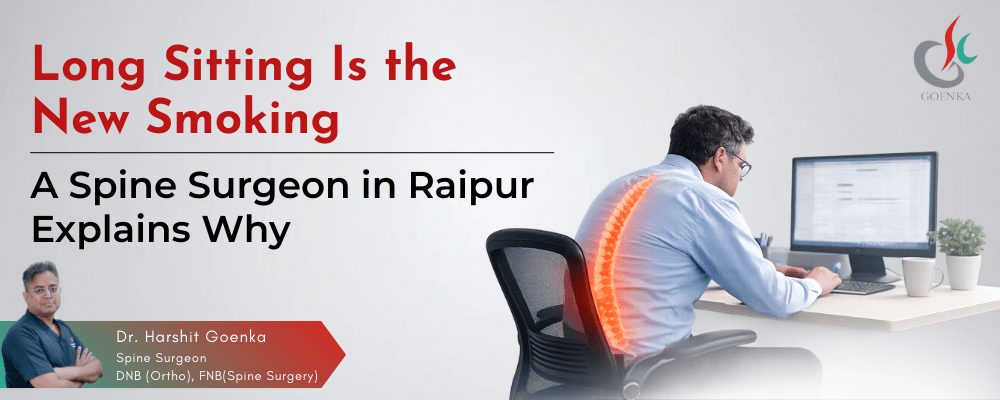
In today’s modern lifestyle, many people spend most of their day sitting, whether it is at the office, in front of a laptop, while driving, or scrolling on their phones. What may seem like a normal routine can slowly harm the body over time. In fact, many health experts now say that long sitting is the new smoking because it quietly affects the spine, muscles, and overall health. Doctors, including Dr. Harshit Goenka, a Spine surgeon in Raipur, often see patients experiencing back pain and posture problems due to long hours of sitting.
Studies show that the average person sits for 8–10 hours every day, and sitting for too long can increase pressure on the spine by up to 40% compared to standing. Because of this lifestyle, back pain and neck stiffness are becoming common even among young adults. Research also suggests that nearly 80% of people experience back pain at some point in their lives, and prolonged sitting is one of the major reasons behind it. Understanding this problem early and making small lifestyle changes can help protect your spine and prevent serious health issues in the future.
Why Doctors Say “Sitting Is the New Smoking”
Years ago, smoking was known as one of the biggest threats to health. Today, many doctors say that long sitting is becoming just as harmful. Unlike smoking, the damage from sitting happens slowly and quietly, which is why many people do not notice the problem until pain begins.
Research reveals some surprising facts:
- Adults now sit for 9–11 hours every day on average.
- Sitting for more than 8 hours daily can increase health risks by nearly 20%.
- Back pain among office workers has increased by over 50% in recent years.
When the body stays in one position for too long, the muscles around the spine become weak and stiff. At the same time, the spinal discs face constant pressure, which can lead to pain and posture problems. Over time, many people end up needing medical advice from a Spine surgeon in Raipur for spine issues that developed simply from sitting too much.
Your Spine: The Superhero of Your Body
The spine is one of the most important structures in the human body because it supports movement and posture. You can think of it like the main support pillar of a building because it holds the body upright and helps us move easily. Without a healthy spine, simple activities like walking, sitting, or bending would become very difficult.
The human spine consists of 33 small bones known as vertebrae that are connected to form the backbone. These bones are connected with soft discs, joints, and muscles that help the body move smoothly and stay balanced.
The spine helps us to:
- Stand straight and maintain good posture
- Walk and run comfortably
- Bend and twist the body easily
- Protect the spinal cord, which carries messages between the brain and the body
However, when we sit for long hours every day, the spine has to handle constant pressure. Over time, the discs and muscles may become weak or strained. If this continues for a long time, people may start experiencing pain and may need guidance from a Spine specialist in Raipur, and in serious cases, advanced treatment like Best Spine Surgery in Raipur may be recommended.
What Happens to Your Spine When You Sit Too Much
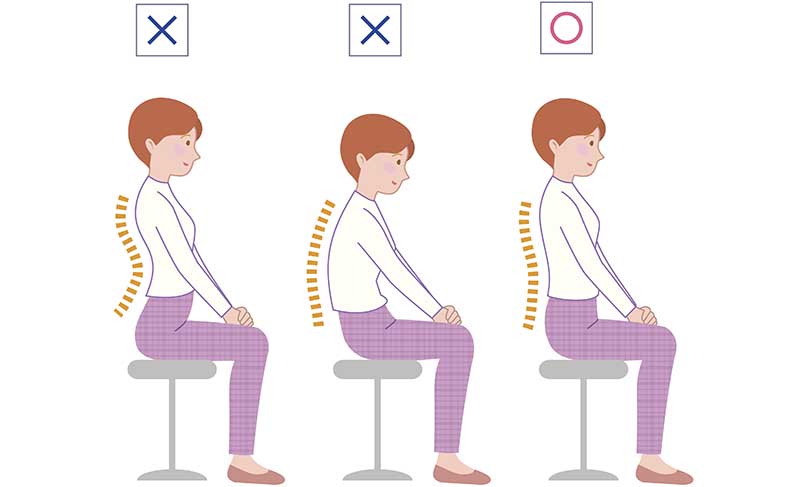
Many people think sitting is relaxing for the body. However, the truth is that sitting for long hours can actually put more pressure on the spine than standing. When we sit for too long without moving, the spine stays in one position and slowly starts feeling the strain.
Studies show that sitting can increase pressure on the spine by up to 40%, especially in the lower back. Over time, this constant pressure can affect the muscles and discs that support the spine.
When you sit for long hours:
- The lower back slowly bends forward
- The neck moves forward toward the screen
- The shoulders start rounding or slouching
This poor posture slowly puts stress on the spinal discs and muscles. If this continues for a long time, it can lead to back pain, stiffness, or other spine problems that may need proper evaluation by a Spine surgeon in Raipur.
Warning Signs Your Spine Is Under Stress
Our body often gives small warning signs when something is not right, and the spine is no different. When the spine is under too much pressure, especially from long hours of sitting—it begins to show symptoms that should not be ignored. Studies show that nearly 80% of adults experience back pain at some point in their lives, and poor posture and prolonged sitting are among the most common reasons behind it.
Some common warning signs that your spine may be under stress include:
- Pain after sitting for long periods of time
- Stiffness in the neck or upper back
- Tightness in the shoulders
- Tingling or numbness in the legs
- Difficulty standing or sitting straight for long
Research also suggests that people who sit for more than 8 hours a day are significantly more likely to develop spine and posture-related problems. Many people ignore these symptoms thinking they are temporary, but doing so can make the condition worse over time. If these signs continue, it is important to consult a Spine specialist in Raipur for proper diagnosis and treatment. Early care can help manage the problem and may prevent the need for advanced treatments like Best Spine Surgery in Raipur.
Common Spine Problems Caused by Long Sitting
Sitting for long hours every day may seem harmless, but over time it can lead to several spine-related problems. When the body stays in one position for too long, the muscles supporting the spine become weak and the spinal discs experience constant pressure. According to studies, people who sit for more than 8 hours a day are significantly more likely to develop back and neck problems. Let’s look at some common spine conditions that are often linked to prolonged sitting.
Chronic Back Pain
Chronic back pain is one of the most common health problems worldwide. Research suggests that nearly 80% of people experience back pain at some point in their lives. Long hours of sitting can strain the lower back muscles and reduce their strength over time.
Poor posture while sitting, such as slouching or leaning forward, adds extra pressure on the lower spine. As a result, the pain may start as mild discomfort but can gradually become persistent. Many people eventually consult a Spine surgeon in Raipur when the pain continues for weeks or begins affecting daily activities.
Slip Disc
Spinal discs act like soft cushions between the bones of the spine. These discs absorb shock and allow smooth movement of the back. However, sitting for long hours can increase pressure on these discs.
Over time, the disc may weaken or move out of its normal position, a condition known as slip disc or herniated disc. As a result, nearby nerves may get pressed, causing intense pain, numbness, or leg weakness.Doctors providing Spine Surgery Care in Raipur often treat slip discs using advanced diagnostic tools and modern treatment techniques.
Sciatica
Sciatica is another common condition linked to prolonged sitting. It occurs when the sciatic nerve, which runs from the lower back down to the legs, becomes compressed.
People with sciatica may feel sharp pain that travels from the lower back through the hips and down the leg. In some cases, the pain may also be accompanied by tingling or numbness. A Spine specialist in Raipur can diagnose this condition through clinical examination and imaging tests and recommend the right treatment plan.
Neck and Shoulder Pain
Long hours of using mobile phones, laptops, and computers often lead to a condition called “tech neck.” This happens when the head stays bent forward for extended periods while looking at screens.
The human head weighs about 4–5 kg, and when it tilts forward, the pressure on the neck can increase up to 20–25 kg. This added strain can cause stiffness, headaches, and shoulder pain. If ignored, it may require consultation with a Spine surgeon in Raipur for proper treatment.
Cervical Spondylosis
Cervical spondylosis is a condition that affects the neck portion of the spine. It occurs due to gradual wear and tear of the spinal discs and joints.
People who sit for long hours with poor posture are more likely to develop this condition. Symptoms may include neck pain, stiffness, and difficulty turning the head. Early diagnosis by a Spine specialist in Raipur can help manage the condition effectively.
Posture-Related Spine Problems

Prolonged sitting can also lead to posture-related spine issues such as rounded shoulders, forward head posture, and lower back strain. These problems develop slowly and often go unnoticed until pain begins.
Correcting posture early and maintaining an active lifestyle can help prevent these issues. However, if the condition becomes severe, doctors providing Spine Surgery Care in Raipur may recommend advanced treatments to restore proper spinal alignment.
Understanding these spine problems highlights why it is important to stay active, maintain good posture, and avoid sitting continuously for long hours. Taking care of your spine today can help prevent serious complications in the future.
The Hidden Lifestyle Trap: Why Modern Life Is Hurting Our Spine
Technology has made life easier, but it has also made people less physically active than before. Many jobs today require sitting in front of computers or laptops for long hours, which means the body gets very little movement throughout the day. Over time, this lack of movement begins to affect the spine and the muscles that support it.
People today often:
- Work long hours on computers or laptops
- Travel long distances while sitting in cars or public transport
- Spend evenings watching TV or scrolling on mobile phones
Studies suggest that the average adult now spends more than 9 hours a day sitting, which is almost half of the waking day. This lifestyle reduces physical activity and increases pressure on the spine, especially the lower back and neck.
Because of this growing problem, doctors are noticing that spine-related issues are appearing at a much younger age than before. Hospitals and clinics providing Spine Surgery Care in Raipur are seeing more patients in their 20s and 30s experiencing back pain, posture problems, and spinal discomfort. This makes it even more important for people to stay active and take regular breaks from sitting.
An Interesting Truth: Your Spine Loves Movement
Here is an interesting fact, your spine is designed to move, not stay still for long hours. Unlike what many people think, the spine actually becomes healthier when the body moves regularly. Activities like walking, stretching, and light exercise help keep the spine active and reduce pressure on the spinal discs.
When you move your body regularly:
- Blood circulation improves, which helps nourish the spine
- Back and core muscles become stronger, providing better support
- Spinal discs receive nutrients and stay flexible
Experts say that even 20–30 minutes of daily movement can significantly reduce the risk of back pain and posture-related problems. Regular movement helps keep the spine flexible, strong, and healthy. That is why doctors, including an experienced Spine surgeon in Raipur, often advise patients to stay physically active and avoid sitting continuously for long periods.
The 30-Minute Rule That Can Protect Your Spine
Doctors and health experts often recommend a very simple habit called the 30-minute rule to protect the spine. Since many people cannot completely avoid sitting because of work, this rule helps reduce the pressure that builds up in the back and neck during long hours of sitting.
If your job requires sitting for long periods, try to follow these small steps:
- Stand up every 30 minutes to give your spine a break
- Stretch for 1–2 minutes to relax the back and neck muscles
- Walk a few steps around your workspace to improve blood circulation
Even these small movements can make a big difference. Studies suggest that taking short breaks from sitting can reduce spinal stress, improve posture, and lower the risk of chronic back pain. Following the 30-minute rule regularly can help protect your spine and may even prevent serious conditions that could otherwise require advanced treatments like Best Spine Surgery in Raipur.
Meet Dr. Harshit Goenka – Spine Surgeon in Raipur
Choosing the right doctor is very important when dealing with spine-related problems. Proper diagnosis and timely treatment can help relieve pain, improve mobility, and prevent the condition from becoming more serious.
Dr. Harshit Goenka, a Spine surgeon in Raipur, treats a wide range of spinal conditions and focuses on careful evaluation before recommending treatment. His approach includes understanding the patient’s symptoms, identifying the root cause of the problem, and guiding them toward the most suitable treatment options.
Patients often seek consultation for conditions such as:
- Back pain
- Slip disc
- Sciatica
- Spinal injuries
With the help of modern diagnostic tools and treatment methods, patients can receive appropriate Spine Surgery Care in Raipur when required. The goal is always to manage the condition effectively and help patients return to their daily activities with better spine health.
Modern Treatment Options for Spine Problems
Not every spine problem requires surgery. In fact, medical studies suggest that nearly 80–90% of spine-related conditions can be managed without surgery when diagnosed early. Doctors usually begin with conservative treatments that focus on reducing pain, improving mobility, and strengthening the muscles that support the spine.
Some common treatment options include:
- Physiotherapy, which helps strengthen the back and core muscles and improve flexibility
- Medication to reduce pain, inflammation, and muscle stiffness
- Lifestyle correction, such as reducing long sitting hours and increasing daily movement
- Posture improvement to reduce pressure on the spine during daily activities
Regular physiotherapy and posture correction programs have been shown to reduce back pain symptoms in nearly 60–70% of patients. These non-surgical treatments often help people return to their normal routine without the need for surgery.
However, if the condition becomes severe or symptoms continue despite treatment, doctors may recommend Best Spine Surgery in Raipur to relieve pressure on nerves and stabilize the spine. Hospitals providing Spine Surgery Care in Raipur now use advanced and minimally invasive techniques, which can reduce recovery time and help patients return to normal activities much faster compared to traditional surgery.
The “Smart Spine” Routine: Daily Habits for a Healthy Back
Keeping the spine healthy does not require complicated exercises or strict routines. In fact, a few simple lifestyle habits followed every day can make a big difference in protecting your back. Since our spine supports the entire body, taking care of it through small daily actions helps prevent pain, stiffness, and long-term problems. Developing healthy habits early can reduce the risk of serious spine issues in the future.
Follow these simple daily practices to keep your spine strong and flexible:
Stretch regularly
Stretching helps keep the muscles around the spine flexible and relaxed. Simple stretching exercises in the morning or after long sitting hours can reduce stiffness and improve blood circulation in the back.
Stay active
Regular movement is very important for spinal health. Walking for 20–30 minutes daily keeps the spine mobile, strengthens back muscles, and improves posture. Activities like light yoga or swimming can also help maintain a healthy spine.
Maintain proper posture
Sit with your back straight, keep your shoulders relaxed, and place your feet flat on the floor to maintain good posture. Using a supportive chair and keeping screens at eye level can prevent strain on the neck and lower back.
Avoid lifting heavy objects incorrectly
Lifting heavy objects the wrong way can put sudden pressure on the spine. When lifting something heavy, bend your knees, hold the object close to your body, and avoid twisting your back.
Take regular sitting breaks
If your work requires long hours of sitting, try to stand up and move every 30–40 minutes. Even a short walk or gentle stretch can relieve pressure on the spine.
If back pain continues despite following these precautions, it is important to seek medical advice.Visiting a Spine specialist in Raipur can help determine the root cause of the problem and ensure the spine receives the right care and treatment.
Frequently Asked Questions
1. When should I consult a Spine surgeon in Raipur?
You should consult a Spine surgeon in Raipur if your back pain lasts for more than two weeks or keeps returning frequently. Symptoms like numbness, weakness in the legs, or difficulty walking should also not be ignored. Doctors such as Dr. Harshit Goenka evaluate the condition carefully and guide patients toward the right treatment before the problem becomes more serious.
2. What treatments are included in Spine Surgery Care in Raipur?
Spine Surgery Care in Raipur usually includes detailed diagnosis through imaging tests like MRI or X-rays along with non-surgical treatments such as physiotherapy and medication. Doctors also guide patients on posture correction and lifestyle changes to reduce spinal stress. In severe cases, advanced surgical procedures may be recommended for long-term relief.
3. Is Best Spine Surgery in Raipur safe?
Yes, Best Spine Surgery in Raipur is considered safe when performed by experienced spine specialists using modern medical technology. Many hospitals now use minimally invasive techniques that help reduce pain and recovery time. Specialists like Dr. Harshit Goenka also focus on proper evaluation and post-surgery care to help patients return to daily activities safely.
4. How can a Spine specialist in Raipur help with slip discs?
A Spine specialist in Raipur first evaluates the condition through physical examination and imaging tests like MRI. Depending on the severity, treatment may include physiotherapy, medications, or lifestyle modifications. If the condition becomes severe, doctors may recommend advanced surgical treatment for lasting relief.
5. Can sitting too much really damage the spine?
Yes, sitting for long hours can increase pressure on spinal discs and weaken the muscles that support the back. Over time, this can lead to back pain, stiffness, or conditions like slip disc. In such situations, consulting a Spine surgeon in Raipur, such as Dr. Harshit Goenka, can help identify the cause and guide the right treatment.